

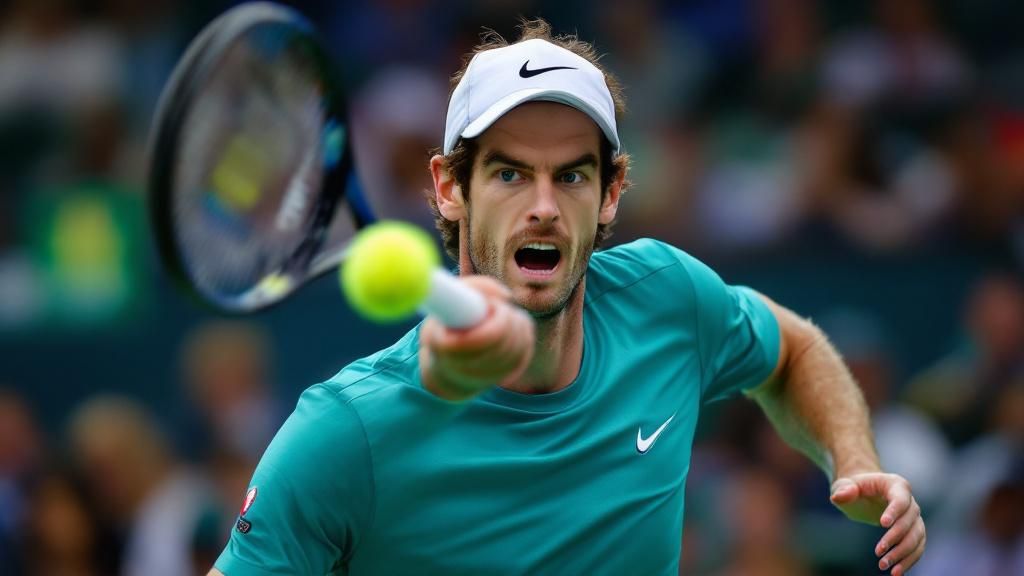
Andy Murray’s strategically designed comeback to professional tennis has disrupted the British sports landscape, suggesting a potential renaissance for the nation’s most accomplished player. Following his major surgical procedure, Murray’s measured reintroduction to competitive play promises to reshape the state of British tennis, encouraging a emerging generation whilst rekindling hopes of additional major championship victories. This article examines how his measured approach to competitive play is shaping developmental programmes, nurturing young players, and repositioning Britain as a competitive powerhouse in global tennis.
The Returning Champion
Andy Murray’s return to professional competition goes well beyond a personal achievement; it symbolises resilience and determination that echoes across British sport. After facing a serious hip procedure that threatened his career, many doubted if the thrice Grand Slam victor would ever perform at elite level once more. His decision to stage a comeback, however, demonstrates an unwavering commitment to his sport and an indomitable spirit that has defined his career. The athletics fraternity observes with keen interest as Murray navigates this pivotal chapter, showing that age and physical setbacks need not determine an athlete’s trajectory or sporting aspirations.
The implications of Murray’s comeback plan go far past his personal results on court. His participation in professional tournaments reinvigorates British tennis, delivering a clear illustration of perseverance to emerging athletes facing their own obstacles. Moreover, his comeback narrative provides invaluable lessons in emotional resilience and bodily recovery, establishing new markers for sporting endurance. As Murray plays again, he concurrently guides the younger cohort, forging a bridge between established excellence and emerging talent that bolsters the complete British tennis community.
Impact on British Tennis Growth
Murray’s comeback to competitive play has catalysed considerable impetus within British tennis infrastructure. His presence at major tournaments boosts the game’s standing domestically, attracting increased investment in youth development programmes and practice venues. The knock-on benefits extend beyond professional ranks, inspiring community involvement and prompting sports authorities to focus on talent identification and development routes for rising British competitors.
Mentorship and Direction
Beyond his courtside displays, Murray has taken on an growing significant coaching position within the British tennis community. His readiness to impart experience gained from performing at the elite standard provides essential support to emerging talent navigating their own career trajectories. This casual mentoring influence complements established programmes, delivering practical insights into tournament preparation, psychological strength, and managing professional expectations.
Murray’s openness to emerging talent signals a break with conventional power structures across professional competition. By engaging directly with gifted junior competitors, he demonstrates commitment to the collective progress of British tennis. His mentorship extends beyond technical instruction, covering career planning, sponsorship deals, and psychological strategies essential for maintaining sustained competitive performance at international level.
- Provides expert advice on event choice and scheduling
- Shares psychological strength techniques built over professional journey
- Facilitates introductions to coaching and support staff networks
- Demonstrates professional standards through consistent work ethic
- Encourages equilibrium between drive and personal wellbeing
Competitive Results and Standings
Murray’s comeback to professional competition has exhibited considerable mental strength, with his results data revealing a competitor intent on regaining his place within professional tennis’s upper echelon. Despite the inevitable physical demands of professional competition, his positional progression has gradually climbed, reflecting both his technical proficiency and mental fortitude. His wins over proven rivals have prompted fresh conversation about his ability to compete for Grand Slam honours, whilst also delivering important insights on his recovery progress and tournament fitness.
The deliberate strategy of Murray’s tournament selection has been crucial in managing his recovery whilst preserving competitive sharpness. By carefully balancing high-level competition with adequate recovery periods, he has optimised his competitive progression without compromising long-term sustainability. His achievements have galvanised British tennis enthusiasts and analysts alike, proving that prior injuries and advancing years need not reduce a competitor’s drive or accomplishments at the highest echelons of professional sport.
Coming Prospects and Influence
Andy Murray’s calculated comeback to the professional circuit has significantly transformed perceptions of what constitutes a successful tennis career. His measured approach shows that longevity and purposeful competition can coexist bodily constraints, delivering meaningful guidance to ambitious sportspeople globally. The ripple effects of his return extend beyond individual success; Murray’s presence on the circuit revitalises British tennis infrastructure, attracting financial support and public interest formerly channelled in different directions. His impact on emerging talent exemplifies how seasoned expertise and determination go beyond traditional career paths, establishing fresh standards for athletic perseverance.
Looking forward, Murray’s legacy will undoubtedly encompass more than tournament victories and ranking positions. His dedication to developing rising British players has established a sustainable pathway for the future generation of competitors pursuing global recognition. By reconciling competitive goals with coaching duties, Murray has positioned himself as both playing member and custodian of British tennis’s future. This combined position strengthens the nation’s sporting framework whilst ensuring his deep experience benefits the sport long after his final competitive involvement, cementing his status as transformative figure within British sporting history.
