

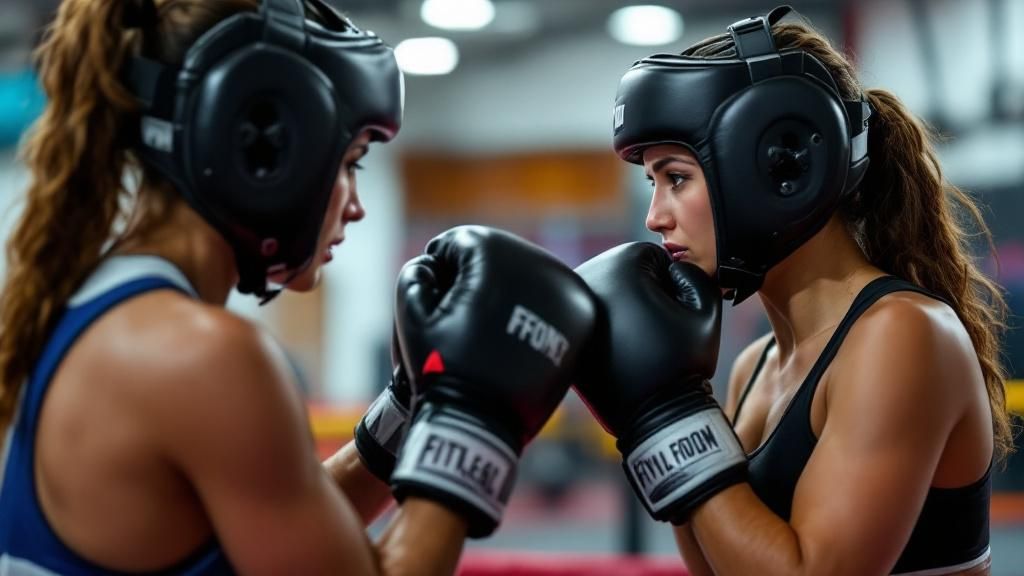
Women’s boxing has undergone a remarkable surge in interest across the UK, with engagement levels rising consistently over the past few years. This growth has encouraged training centres nationwide to develop their dedicated combat sports offerings, acknowledging the need for quality training spaces tailored to female boxers. From boutique boxing studios to traditional fitness centres, the infrastructure supporting women’s fighting disciplines has reached unprecedented strength. This article explores the key factors behind this transformation and investigates how expanded facilities are transforming the terrain of women’s boxing in Britain.
The Increasing Wave of Women Boxers
The growth in women’s boxing participation represents a major cultural change within the fitness industry. Over the last five years, participation numbers have expanded rapidly, with women now comprising an ever-larger proportion of boxing gym memberships throughout the UK. This shift in demographics reflects changing attitudes towards combat sports and female athleticism, coupled with growing awareness of boxing’s outstanding cardiovascular and strength-building benefits. Gyms have responded enthusiastically to this demand, acknowledging that women boxers constitute both a loyal and expanding customer base.
Beyond simple statistics, this surge reflects underlying societal shifts regarding women’s involvement with conventionally male-led sports. Female boxers currently enjoy increased prominence through press exposure, professional opportunities, and exemplary athletes competing at elite levels. Local programmes and local training initiatives have increasingly widened access to boxing training, motivating women from varied communities to discover the sport. The combination of improved facilities, supportive environments, and greater mainstream acceptance has generated an historic opening for women to pursue boxing seriously, whether for fitness, organised contests, or self-development.
Gym Facility Expansion Throughout the UK
The expansion of boxing facilities across the United Kingdom has been truly remarkable. Large city centres such as London, Manchester, and Birmingham have witnessed considerable spending in dedicated combat sports spaces, with gyms fitting professional-grade equipment specifically designed for boxing training. These spaces now include numerous striking bags, speed balls, and state-of-the-art ring setups. Gym operators have identified that women participants demand specialised environments where they can train safely and with confidence, leading to the creation of female-only classes and female-oriented training initiatives that accommodate varying skill levels and background.
Beyond the key metropolitan centres, regional gyms have similarly adopted this expansion movement, refurbishing their spaces to support growing numbers of female participants. Local community hubs and standalone boxing venues have invested substantially in enhancing their facilities, appreciating that quality facilities have a strong connection with member retention and fulfilment. Many establishments now employ female coaches and trainers who provide considerable knowledge and relatability to the sport. This extensive funding reflects the sincere support from gym owners to promote women’s participation in boxing, making certain that aspiring boxers nationwide have access to elite training facilities regardless of their geographical location.
Overcoming Barriers and Shifting Perceptions
The development of female boxing venues has significantly changed public perceptions towards female participation in martial sports. Historically perceived as a predominantly male pursuit, boxing is now increasingly recognised as an accessible sport welcoming athletes of all genders. Better equipped gyms has solidified female participation in gyms and boxing rings, challenging outdated stereotypes. This cultural shift illustrates larger shifts in how people perceive female athleticism and strength, encouraging more women to take up boxing without worry about social disapproval or bias.
Dedicated women’s boxing initiatives have shown vital in building self-assurance in those new to the sport. Professional coaching adapted session structures, and supportive community settings provide spaces where women are empowered to enhance their skills. Many gyms now run female-only sessions and female-led coaching staff, confronting longstanding obstacles that historically prevented participation. These forward-thinking programmes demonstrate that reducing obstacles and supplying proper facilities directly translates into increased engagement, significantly changing views of women’s boxing within mainstream fitness culture.
The Future of Women’s Boxing in Britain
The evolution of female boxing in Britain seems remarkably encouraging, with leading professionals predicting sustained development over the coming years. As more gyms commit resources to cutting-edge equipment and specialised coaching programmes, accessibility for emerging women boxers will undoubtedly improve. This facility expansion, coupled with increased media coverage and sponsorship deals, positions women’s boxing as a authentic mainstream sport. The momentum currently driving participation suggests that boxing will become an increasingly integral part of Britain’s sports culture.
Looking ahead, the emphasis must remain on developing athletes at grassroots level whilst maintaining inclusive environments that welcome boxers of all skill levels. Continued collaboration between gyms, governing bodies, and community organisations will be vital in maintaining this expansion. Moreover, funding for coach development and athlete development pathways will ensure the sport benefits from high standards. As women’s boxing progresses forward, Britain is positioned to become a leading force in developing the next cohort of top female boxers on both national and international stages.
